“Ninety percent of the time, purring is positive.” That is how cat behavior consultant Mikel Delgado of Feline Minds put it to Live Science.
Good news for anyone with a cat on their lap right now. But it also means one purr in ten is about something else, and knowing the difference can tell you a lot about how your cat is really doing.
Even scientists admit they do not fully understand the purr. Delgado calls it “one of those behaviors that we mostly understand, but not totally”. Here is what we do know.
It Starts in the First Days of Life
Kittens are born blind and deaf, yet they start purring just a few days after birth. Dr. Kate Anderson, a veterinarian and professor at Cornell University, told Live Science that kittens find their mother by purring, and she purrs back as she checks on them.
A purr is also quiet, so in the wild a purring kitten is unlikely to attract predators. Kittens purr while they nurse too, which may help them bond with their mother. Many adult cats keep that habit, along with the kneading that goes with it.
The Five Purrs You Will Hear at Home
1. The happy purr
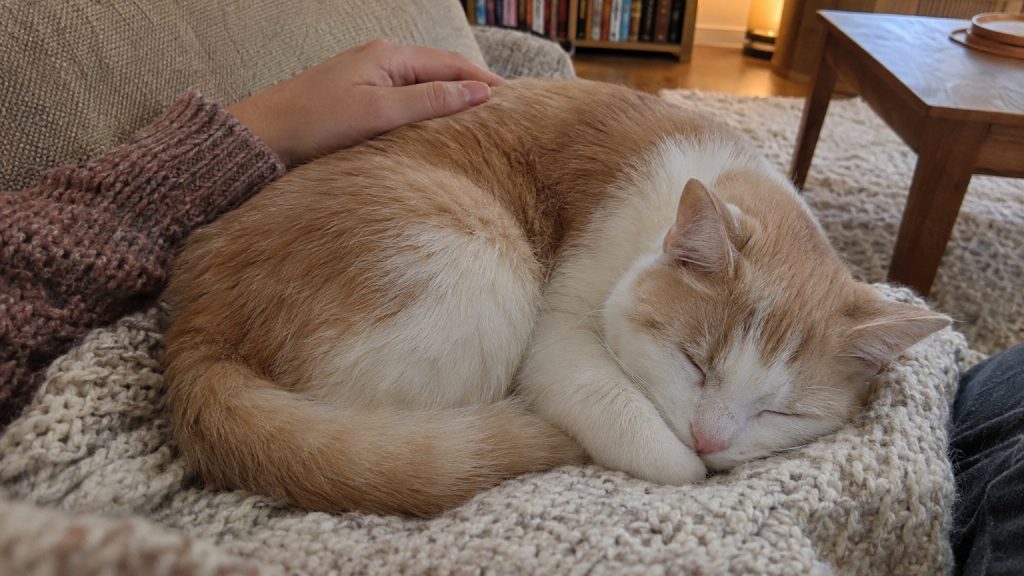
The classic. Your cat is curled up beside you, sprawled in a sunbeam, or getting a chin scratch. Delgado says this purr means your cat is experiencing pleasure, feels content, and feels safe.
2. The friendship purr
Cats purr with other cats they get along with, often while grooming each other. They purr around familiar people and even familiar dogs. It is a sound cats save for the ones they trust.
3. The “feed me” purr
If your cat’s breakfast purr sounds oddly urgent, you are not imagining it. A 2009 study in Current Biology found that cats use a special “solicitation purr” when they want food or want you out of bed. It mixes in a higher-pitched sound that resembles a baby’s cry, and people hear it as more urgent.
In other words, your cat may have learned to purr in a way that is very hard to ignore.
4. The stressed purr
This is the one that surprises people. Cats sometimes purr when they are anxious. Delgado said one of her own cats purred at the vet’s office, and that cat definitely did not enjoy vet visits.
5. The self-soothing purr
Dr. Anderson has treated many injured cats who purred. She believes purring may help cats calm themselves when they are sick, scared, or near the end of their life. So a purring cat is not always a comfortable cat.
Can a Purr Help Heal?
You may have read that a cat’s purr can heal bones. The idea comes from a 2001 study that measured purrs at about 20 to 150 hertz, similar to some frequencies used in human therapies for bone and muscle. Back in 2003, Leslie A. Lyons, then at the University of California, Davis veterinary school, called the purr a “potential source of self-healing” in Scientific American.
That is still a theory. Delgado told Live Science there has never been a study showing cat purrs have any magical healing powers, though purring could be a self-comforting thing. It is a lovely idea, but not a proven one.
How to Tell Which Purr You Are Hearing
Delgado’s advice is to “be a little bit of a detective”. The purr itself will not tell you much. Look at everything around it:
- Relaxed body, soft eyes, slow blinks: a happy purr. Enjoy it.
- Purring near the food bowl or your pillow at dawn: a request. You know what for.
- Purring in a stressful place, like the vet or a car: likely nerves.
- Purring plus hiding, not eating, or a hunched posture: your cat may be unwell. Call your vet, and do not let the purr reassure you.
Most of the time, though, the purr means exactly what you hoped. Science suggests it may be good for you as well, since petting a cat can lower stress in just ten minutes. And if your cat tends to show up purring on your worst days, read about why cats comfort us when we are sad.