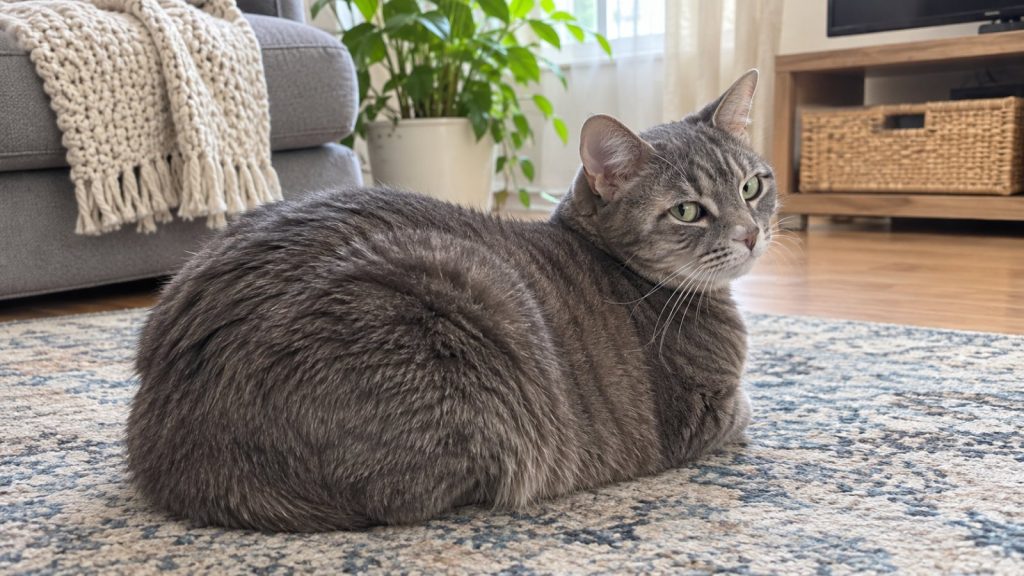
You call your cat. One ear turns, and that’s all you get. Do cats know their names, or are they simply not listening? Science has an answer, and it won’t surprise anyone who lives with a cat: they very likely know, and they don’t feel the need to prove it.
The Study That Tested It
In 2019, Atsuko Saito and her team at the University of Tokyo published a study in Scientific Reports. They visited cats at home and played them recordings of four ordinary words, each with the same length and rhythm as the cat’s name.
Most cats moved their head or ears at first. By the fourth word, many had lost interest. Then came the fifth word, which was the cat’s own name.
According to Nature News, 9 of the 11 cats in that first test responded more strongly to their name. The reaction was small, just a slight movement of the head or ears, but it was measurable.
What About Homes With Lots Of Cats?
The researchers also tested homes with five or more cats, using the names of the other cats as the first four words. Only 6 of the 24 cats lost interest during those names. The rest kept listening, perhaps because they connect any familiar name with something good happening. All six of those cats responded more strongly to their own name.
Cats in a cat cafe were the least clear, with 3 of 9 reacting more to their own name. So not every cat separates their name from the others around them, and where they live seems to matter.
Do They Understand What A Name Is?
Probably not in the way people do. Biologist John Bradshaw, commenting on the study, said it shows cats can tell one sound from another, and that this is a long way from understanding language. To your cat, their name is likely a sound that often comes before food, attention, or a trip to the vet.
He also said that cats learn as well as dogs do. They just aren’t as keen to show you.
How To Teach Or Strengthen A Name
A name works best when it predicts good things. These simple habits fit with what the study suggests about learning sounds:
- Say the name, then give a treat. Keep it short, and repeat it a few times a day.
- Use a cheerful voice, and say it the same way each time.
- Don’t use it to scold. You want the name to mean something good.
- Watch the ears. A small turn of the head or an ear counts as an answer.
How To Tell Your Cat Heard You
Don’t expect them to come running. Look for an ear swivel, a glance, or a flick of the tail. And if you want to say something back, try a slow blink, which is one message cats do seem to respond to.